


Previous
Next
Steel Fabrication Company Serving Projects Across the USA
Custom Steel Fabrication, Structures, and Quality Materials
EMTS Group operates as a global steel fabrication company supporting contractors, steel fabricators, and OEMs across the USA. The focus stays on custom steel fabrication and structural steel fabrication, with export ready steel components built to project drawings. This is a practical option for teams that want a steel fabrication company in the USA supply chain without paying local premium labor for every fabrication package.
- Custom structural and miscellaneous steel fabrication for industrial and commercial construction projects.
- End-to-end support from detailing coordination to packing and delivery to US ports.
- Competitive prices compared to many local steel fabricators, with controlled quality.
What a Steel Fabrication Company Does?
Steel fabrication turns raw steel into built parts used on a job site. The work includes cutting, bending, fitting, welding, and assembly. Common outputs include beams, frames, platforms, stairs, guards, and industrial steel components. Structural steel fabrication covers primary framing. Miscellaneous metal fabrication covers access and support items. A capable company also manages tube and pipe components when the project needs them. EMTS supports USA teams as a production partner, with fabrication services, documentation, and logistics planning.
Steel Fabrication Services We Provide
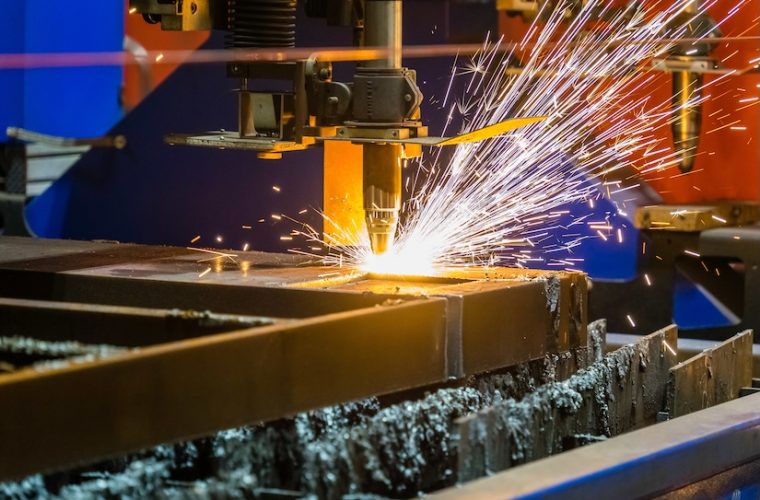
CNC Laser Cutting Services
CNC laser cutting shapes plate, sheet, and profiles with repeatable precision. This supports tight tolerances and consistent parts for OEM production and repeat projects.
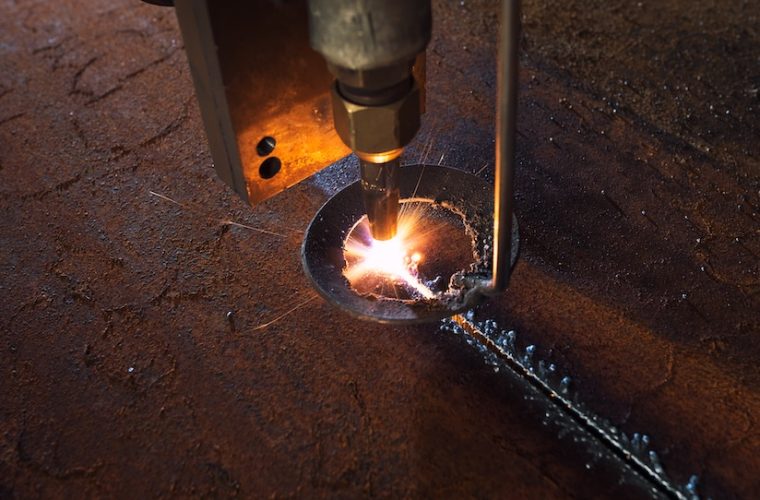
Plasma Cutting Services
Plasma cutting handles thicker steel plates and large shapes with speed. It fits heavy parts, base plates, and industrial components that need throughput.
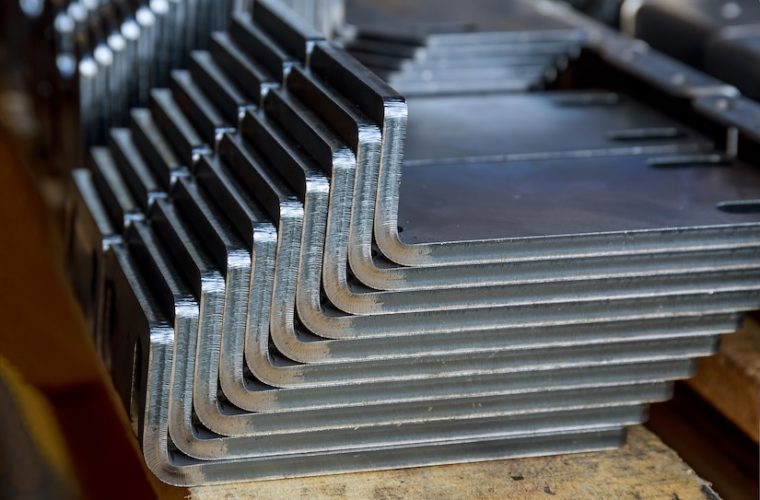
Plate Bending Services
Plate bending forms steel into required angles and radii. It supports brackets, guards, housings, formed stiffeners, and shaped parts used across facilities.

Industry Welding Services, In-House
In-house welding supports MIG, TIG, and flux cored welding for carbon steel and selected stainless applications. Documented WPS and inspection routines can align with job requirements. Tube and pipe welding can sit in the same fabrication scope.
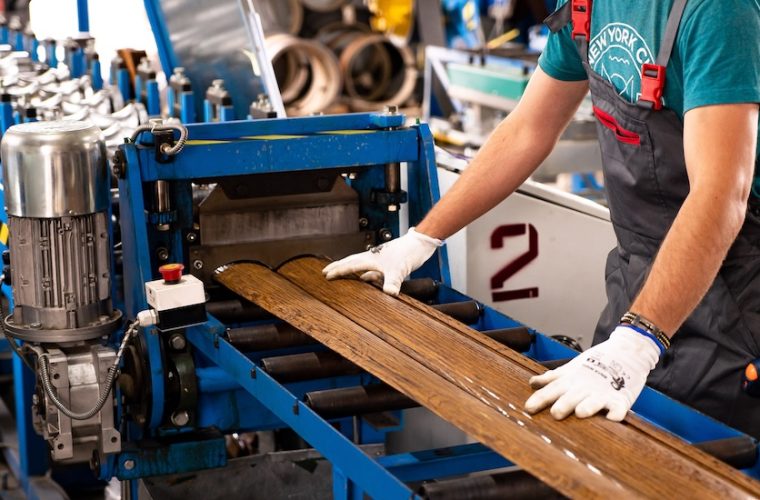
Steel Product Fabrication Services, OEM and Customization
Fabrication services cover full build packages for frames, platforms, mezzanines, stairs, rail systems, and equipment supports. OEM parts production supports repeatable products with consistent interfaces and controlled fit up.
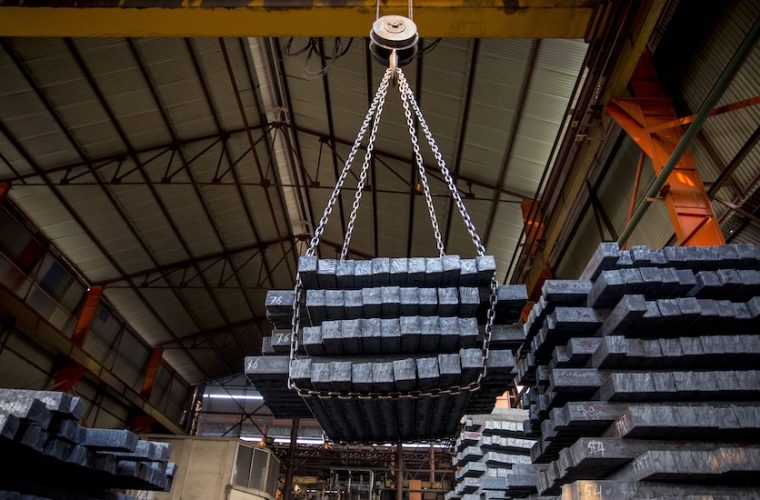
Steel Trading Services
Steel trading services bundle steel materials with fabrication. One scope owner reduces supplier handoffs and keeps materials, fabrication, and documentation aligned.
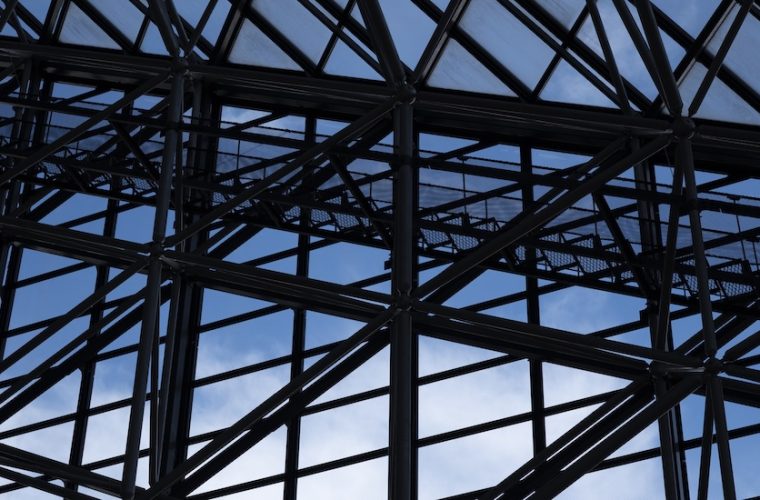
Structural Steel Fabrication
Beams, columns, bracing, trusses, platforms, and support frames ship as an organized steel package. Fabrication follows project drawings and specs. Coordination with USA design teams and steel fabricators reduces disconnects between design intent and shop output.

Custom and Miscellaneous Metal Fabrication
Stairs, handrails, ladders, walkways, mezzanines, guards, and equipment supports form a large part of many construction scopes. Custom steel fabrication and miscellaneous steel fabrication demand consistent hole patterns and clean interfaces. That consistency matters on multi facility rollouts, where crews rely on repeatable parts.
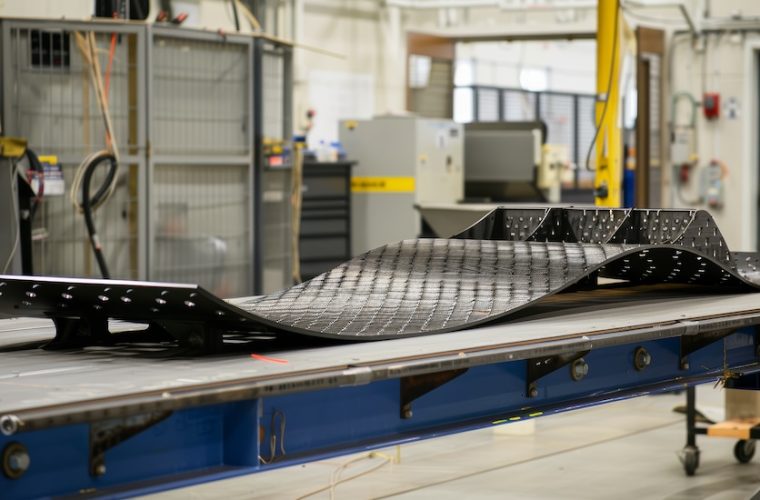
Plate, Sheet, and Section Processing
CNC laser cutting, plasma cutting, drilling, punching, and forming support high volume fabrication. The goal stays simple, hold tight tolerances where interfaces matter, then repeat that output for OEM parts and standard products. Tube and pipe processing can join the same work package when needed.
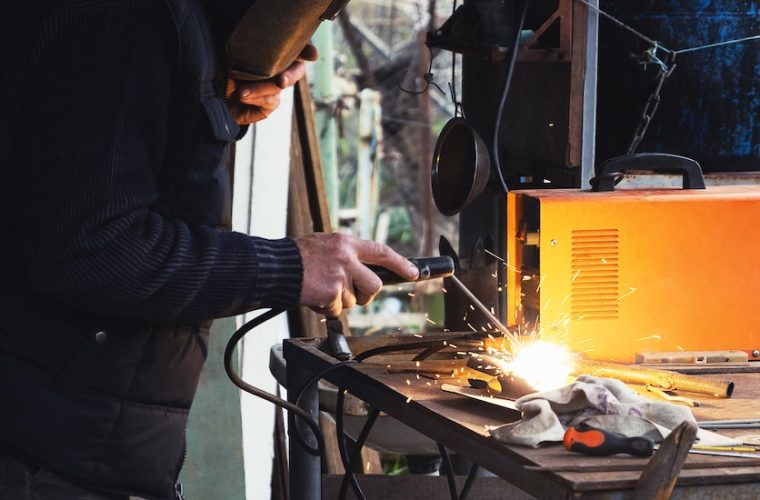
Welding and Assembly
Welding joins steel parts into stable assemblies. Fabrication services include fit up, welding, and sub assembly to reduce site work. Inspection checkpoints support quality and reduce rework risk. Tube and pipe assemblies can include guards, frames, pipe supports, and access structures.
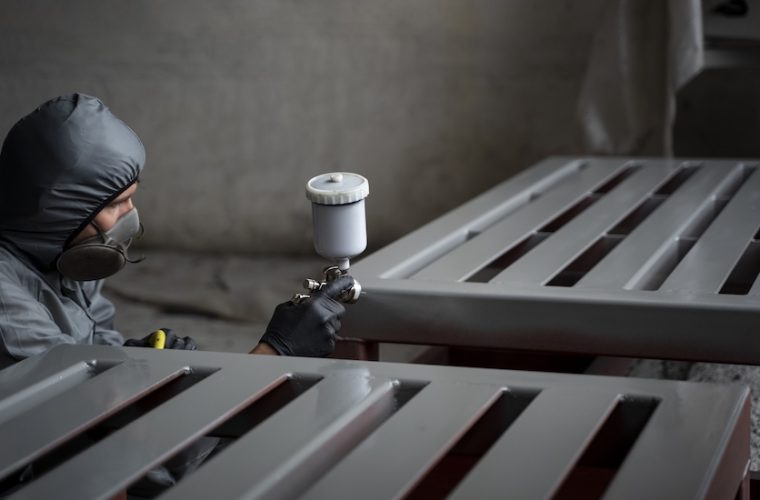
Surface Treatment and Finishing
Priming and painting support corrosion control and appearance. Hot dip galvanising runs through partners when the job requires it. Finishing reduces site work in the USA and protects quality products during shipping.
Materials and Grades We Work with
- Carbon and mild steel plate and sections for structural steel fabrication.
- Selected stainless steel grades for industrial and architectural components.
- Aluminum components when mixed metals designs require it.
- Materials can follow common USA specifications when required, including A36 and A572.
Industries We Support Across the USA
EMTS fits projects that need planned production, repeat output, and stable documentation. Steel fabricators often use this model when local facilities hit capacity.
- Warehousing and logistics facilities, including repeat mezzanines and access platforms across logistics facilities.
- Manufacturing facilities and process industry facilities, including industrial framing where consistency and volume protect schedule and quality.
- Distribution centers and fulfillment hubs, including standard stairs and rail packages for multi site construction programs.
- Retail, commercial, and mixed use construction facilities.
- OEM equipment, machinery frames, and support structures.
Benefits of Choosing EMTS as Your Steel Fabrication Partner
Engineered, Production Focused Steel Fabrication
Design assist support can start at the RFQ stage. 3D coordination and shop drawing support reduce clashes and improve manufacturability. Value engineering can reduce weight, simplify connections, and improve packing density. Better packing often reduces container count and lowers total landed cost. A dedicated contact supports project management and keeps scope, approvals, and delivery aligned.
Cost Effective Alternative to Local Fabrication
Local steel fabricators often win rush scopes and constant site changes. Offshore fabrication wins planned packages where drawings stay stable and volume matters. Competitive prices often come from lower labor cost and scaled production facilities. Quality control still matters, so inspection processes and documentation stay central.
Quality Control and Traceability
Quality drives field speed. Visual checks, dimensional checks, and marked components help erection crews move fast. Traceability supports jobs that require controlled materials and documentation. Repeatable quality products matter most on rollouts, where the same steel items ship to multiple facilities across the country.
Capacity for Repeat and Roll Out Projects
Repeat jobs reduce risk when details stay consistent. Standard frames, platforms, and supports can ship to multiple facilities with the same part IDs, packing structure, and installation sequence. That approach reduces field variability and protects delivery time.
Our Steel Fabrication Process for USA Projects
Step 1: Consultation and Requirements
Drawings, models, and specs define the fabrication scope. Site constraints, connection intent, surface protection, and inspection requirements also get confirmed. The work starts with clear inputs and clear acceptance criteria.
Step 2: Engineering and Detailing Support
Coordination stays tight with the engineer of record and detailers. File exchange can include DWG, STEP, and IFC formats. Early checks focus on critical dimensions, interfaces, and shipment logic.
Step 3: Fabrication and in-Process Inspection
Cutting, forming, fit up, welding, and sub assembly run through controlled processes. In process checks target critical dimensions and weld quality. This protects precision and reduces the chance of field fixes.
Step 4: Finishing, Packing and Documentation
Coating follows the job spec. Each piece gets marking to match erection plans. Packing lists and shipping documents reduce missing parts and reduce site sorting time. Organized packs support faster installation on the job.
Step 5: Shipping and Delivery Coordination
Container loading and sea freight route to US ports. Coordination can include the freight forwarder and customs broker. Typical planned scopes often run 8 to 14 weeks from drawing approval to port departure, then transit time depends on lane and port schedule.
Comparing EMTS to Other Steel Fabrication Companies in the USA
Local Steel Fabricators
- Strong for rush work and frequent site coordination
- Often higher cost structure for labor intensive fabrication
- Limited capacity during peak construction cycles
EMT Systems Sdn Bhd
- Strong for planned scopes and repeat fabrication packages
- Strong for consistency, volume, and export packing discipline
- Competitive prices with defined quality control processes
How to Choose a Steel Fabrication Company for Your USA Project
Selection should rely on proof. Ask for comparable projects, inspection records, and process clarity.
Key criteria:
- Experience with similar industry scopes and similar project size
- Engineering support and detailing coordination capability
- Quality system, inspection processes, and traceability approach
- Capacity across facilities, equipment, and workforce
- Logistics capability, packing method, and documentation discipline
- Total cost of ownership, including freight, rework risk, and install time
Checklist questions:
- Who owns project management and daily communication
- What tolerances get held on critical interfaces
- Which welding processes get used, and which WPS controls apply
- How does the team handle tube and pipe scope when included
- What documentation ships with each container
- What lead time fits this job, based on materials, fabrication, and finishing
- How do facilities stay situated for export packing and predictable port delivery
Talk to Our Steel Fabrication Team
EMTS supports projects across the USA with export ready steel packages and controlled fabrication processes. Upload drawings from the browser. Share tonnage and the delivery window. A clear scope helps the team confirm services, materials, quality requirements, and shipment plan. Schedule a design and feasibility discussion.
Frequently Asked Questions
What types of projects fit offshore steel fabrication best?
Planned projects with stable drawings and repeat components. Mezzanines, platforms, stairs, industrial framing, and OEM supports often fit well.
How do you ensure quality and tolerances for steel shipped to the USA?
Use CNC cutting for repeatability. Run fit up checks during fabrication. Apply documented welding controls and inspection routines when required. Mark parts and match them to packing lists to reduce site errors.
What is a typical lead time for fabricated steel shipped to the USA?
Many planned packages run 8 to 14 weeks from drawing approval to port departure. Transit time varies by lane, port, and booking availability. Large tonnage and galvanising can extend the schedule.
Can you work to engineer drawings and USA standards?
Yes. Share drawings, specs, and required material standards. Define inspection needs and documentation requirements at the RFQ stage so the fabrication plan aligns with the job.
What information supports an accurate quote?
Send drawings or models, tonnage or bill of materials, finish requirements, inspection requirements, target port, and required delivery time. Include any tube or pipe scope, plus any field constraints.
Do sustainability requirements affect steel fabrication in 2026?
Many projects now ask for embodied carbon tracking and higher recycled content steel. Include those requirements in the RFQ so materials and documentation align from the start.