When buyers request steel fabrication, they usually know what final outcome they need. It may be a steel platform, structural frame, staircase, handrail, machine guard, bracket, support, or custom component. However, not every buyer knows what happens between sending a drawing and receiving the completed steel product. Understanding the steel fabrication process helps clients prepare better information, set clearer expectations, and avoid delays during the project. Fabrication is not only about cutting and welding steel. It involves drawing review, material preparation, cutting, bending, forming, welding, assembly, quality checking, finishing, delivery, and sometimes installation. For industrial, commercial, construction, manufacturing, and maintenance projects, a clear fabrication workflow helps both the client and fabricator work more efficiently. If you are planning a project, working with a team that provides custom steel fabrication services can help ensure your requirements are reviewed properly from the beginning. This article explains how the steel fabrication process works step by step, from the first drawing review to delivery and installation.
What Is Steel Fabrication?
Steel fabrication is the process of converting raw steel materials into finished parts, components, or structures. These materials may include steel plates, pipes, beams, hollow sections, angles, channels, or other steel profiles. Depending on the project, steel fabrication may involve cutting, drilling, bending, forming, welding, grinding, painting, coating, assembly, and installation. The final product is usually made according to drawings, measurements, site requirements, or custom specifications. Steel fabrication is commonly used for:- Structural frames
- Steel platforms
- Staircases
- Handrails
- Equipment supports
- Pipe supports
- Machine guards
- Industrial racks
- Steel brackets
- Custom steel components
- Factory and warehouse steel works
Why Understanding the Steel Fabrication Process Matters
For clients, understanding the steel fabrication process can make the project smoother from the start. Many delays happen because drawings are incomplete, measurements are unclear, material requirements are not confirmed, or site conditions are not properly discussed. When the client understands what information the fabricator needs, it becomes easier to prepare the necessary details before requesting a quotation. A clear understanding of the process also helps reduce miscommunication between the client, fabricator, engineer, contractor, and installation team. Everyone can align on the project scope, timeline, material type, finishing requirements, and delivery expectations. Understanding the process helps with:- Better project planning
- More accurate quotation requests
- Clearer drawing and scope confirmation
- Fewer production delays
- Better material preparation
- More realistic timelines
- Smoother site installation
- Better quality control expectations
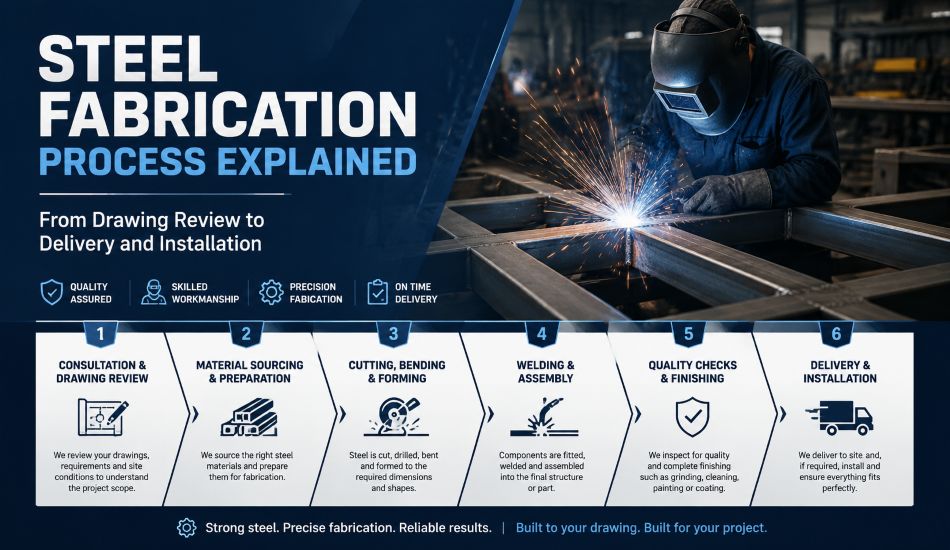
6 Key Steps of the Steel Fabrication Process
Step 1: Consultation and Drawing Review
The steel fabrication process usually begins with a consultation or enquiry. At this stage, the client shares the project requirements with the fabricator. This may include technical drawings, shop drawings, sketches, reference photos, site measurements, material requirements, or a description of what needs to be fabricated. The fabricator will review the information to understand the project scope. This review may include:- Dimensions and measurements
- Material type and thickness
- Quantity required
- Load or usage requirements
- Connection details
- Site conditions
- Finishing requirements
- Delivery or installation needs
- Safety or access limitations
Step 2: Material Sourcing and Preparation
Once the project scope is confirmed, the next step is material sourcing and preparation. The type of steel used depends on the project requirement. Different projects may require different steel materials based on strength, environment, appearance, hygiene needs, corrosion resistance, or budget. Common steel materials used in fabrication may include:- Mild steel
- Stainless steel
- Structural steel
- Steel plates
- Steel pipes
- Hollow sections
- I-beams
- Angles
- Channels
- Flat bars
Step 3: Cutting, Bending, and Forming
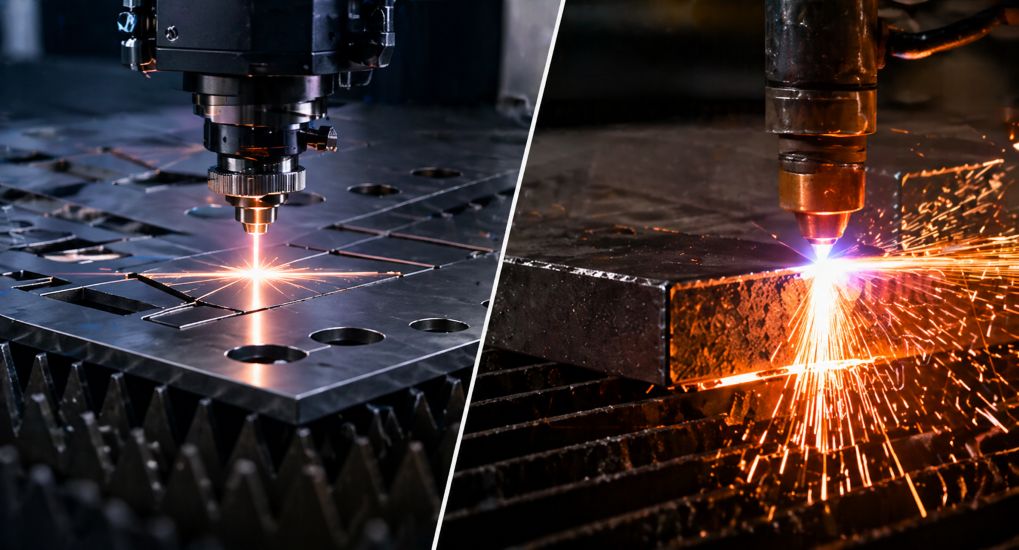
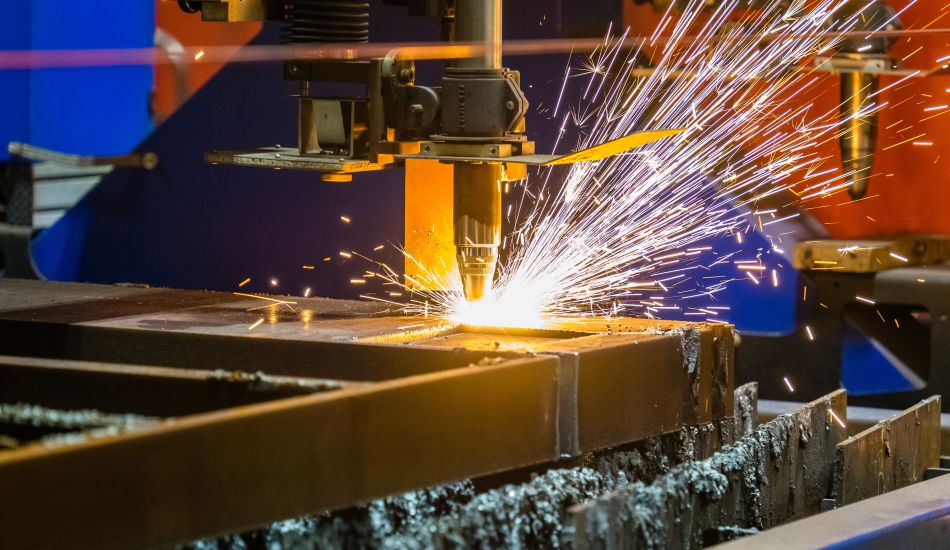
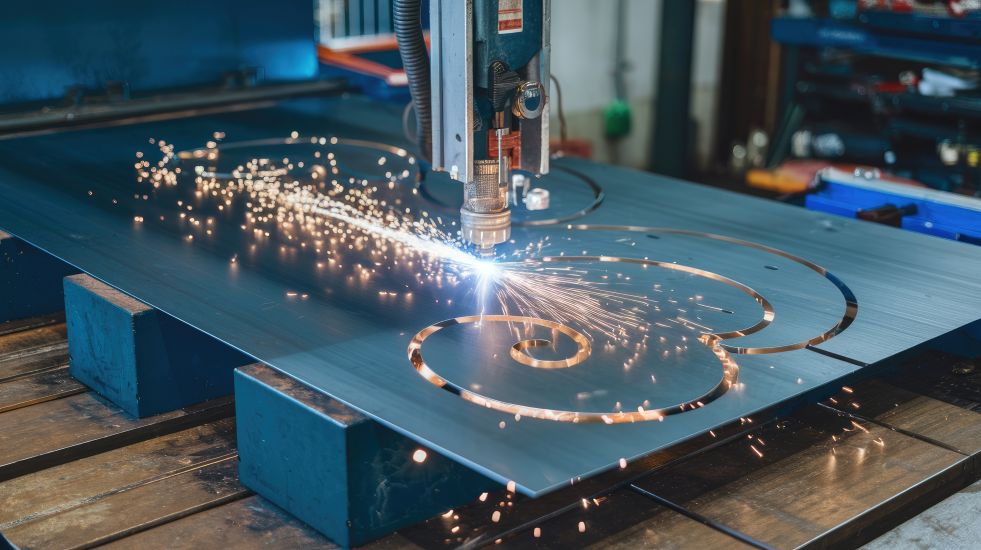
After the material is prepared, the steel is cut according to the required dimensions. Cutting methods may vary depending on the material type, thickness, shape, precision requirement, and project complexity. Some components may only need straight cutting, while others may require more detailed shaping, drilling, punching, or forming. At this stage, the fabrication team may carry out processes such as:- Cutting steel to size
- Drilling holes
- Punching holes
- Bending plates or sections
- Forming steel into specific shapes
- Preparing parts for assembly
- Marking components for fit-up
Step 4: Welding and Assembly
Once the steel components are cut and prepared, they are assembled and joined together. This is where the separate steel parts start to become the final fabricated product. Welding is one of the most common joining methods in steel fabrication. Depending on the project, mechanical fastening such as bolting may also be used. Before full welding begins, the fabrication team usually checks the fit-up and alignment. Components may be tack welded first to hold them in position before final welding is completed. This stage may include:- Fit-up and alignment
- Tack welding
- Full welding
- Bolting or mechanical assembly
- Checking connection points
- Assembling frames, supports, platforms, or components
- Ensuring the structure follows the drawing
Step 5: Quality Checks and Finishing
After welding and assembly, the fabricated item needs to be checked. Quality checks help confirm that the work follows the drawing, measurement, and project requirements. The type of inspection depends on the project scope and level of requirement. Common quality checks may include:- Dimensional checking
- Visual inspection
- Weld checking
- Alignment checking
- Surface condition review
- Fit-up confirmation
- Finishing inspection
- Grinding
- Cleaning
- Deburring sharp edges
- Painting
- Powder coating
- Galvanising
- Polishing
- Surface preparation
- Protective coating
Step 6: Delivery and Installation
Once fabrication and finishing are complete, the item is prepared for delivery. Delivery planning is important, especially for large, heavy, or awkwardly shaped steel components. The fabricator may need to consider loading method, transport size, handling equipment, site access, and delivery timing. For some projects, the scope may only include fabrication and delivery. For others, installation may also be required. Installation may involve:- Site coordination
- Lifting and positioning
- Bolting
- Anchoring
- On-site welding
- Final adjustments
- Alignment checks
- Safety checks
- Final inspection
What to Prepare Before Requesting Steel Fabrication
If you want to request steel fabrication, preparing the right information can help the fabricator provide a more accurate quotation and timeline. Before contacting a fabricator, try to prepare:- Technical drawings or sketches
- Dimensions and measurements
- Material preference, if known
- Quantity required
- Site photos
- Site access details
- Load or usage requirements
- Finishing requirements
- Delivery location
- Installation location
- Project timeline
- Any special safety or industry requirements
Common Steel Fabrication Projects
Steel fabrication is used across many industries because steel is strong, versatile, and suitable for a wide range of applications. Common steel fabrication projects include:- Steel platforms
- Staircases
- Handrails
- Structural frames
- Equipment supports
- Pipe supports
- Machine guards
- Steel brackets
- Industrial racks
- Access ladders
- Steel covers
- Maintenance platforms
- Factory steel works
- Warehouse steel works
- Custom steel components
- Repair and modification works
Why Choose an Experienced Steel Fabrication Company?
Steel fabrication requires more than tools and raw materials. It requires technical understanding, skilled workers, proper equipment, quality control, and good project coordination. An experienced fabrication company can help review drawings, clarify project details, recommend suitable materials, manage production steps, and coordinate delivery or installation more effectively. This is especially important for custom fabrication because every project may have different dimensions, usage needs, site conditions, and installation challenges. Working with an experienced steel fabrication company can help with:- Proper drawing review
- Accurate measurement
- Suitable material advice
- Practical fabrication planning
- Skilled welding and assembly
- Quality checking
- Surface finishing
- Delivery coordination
- Installation support
- Clear communication throughout the project